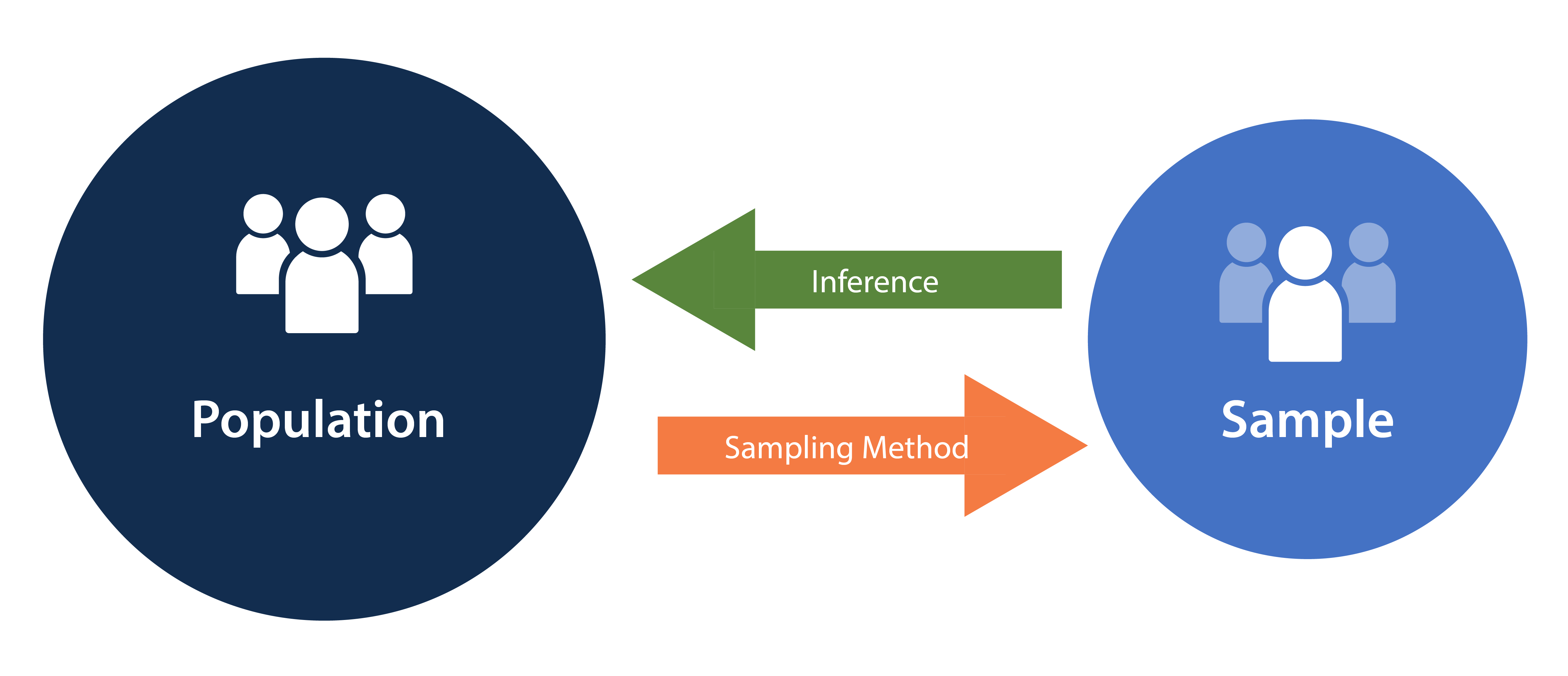

Understanding the concept of a sampling frame sample is crucial for anyone involved in research, statistics, or data analysis. A sampling frame is a list or database of all members of a population from which a sample is drawn. This list serves as the foundation for selecting a representative subset of the population, ensuring that the sample accurately reflects the characteristics of the entire group. The process of creating a sampling frame and selecting a sample from it involves several steps, each of which requires careful consideration to avoid bias and ensure validity.
Understanding the Sampling Frame
A sampling frame sample begins with the creation of a sampling frame. This frame is essentially a comprehensive list of all individuals or units within a population that are eligible for inclusion in the study. The accuracy and completeness of the sampling frame are critical because any errors or omissions can introduce bias into the sample and, consequently, into the study's findings.
For example, if you are conducting a survey on voter preferences, your sampling frame might be a list of all registered voters in a particular district. This list should include every eligible voter, ensuring that no one is left out. If the list is incomplete or contains errors, the sample drawn from it will not be representative of the entire population of voters.
Creating an Effective Sampling Frame
Creating an effective sampling frame involves several key steps:
- Identify the Population: Clearly define the population you are studying. This could be a group of people, organizations, or any other unit of analysis.
- Gather Data: Collect data on all members of the population. This data should include relevant information that will help in selecting a representative sample.
- Verify Accuracy: Ensure that the data is accurate and up-to-date. This may involve cross-referencing with other sources or conducting a preliminary survey to verify the information.
- Organize the Data: Arrange the data in a format that is easy to use for sampling. This could be a spreadsheet, database, or any other organized list.
Once the sampling frame is created, the next step is to select a sample from it. This involves choosing a subset of the population that will be included in the study. The method of selection can vary depending on the research design and the goals of the study.
Selecting a Sample from the Sampling Frame
There are several methods for selecting a sample from a sampling frame. Each method has its own advantages and disadvantages, and the choice of method will depend on the specific requirements of the study.
Simple Random Sampling
Simple random sampling involves selecting members from the sampling frame randomly, ensuring that every member has an equal chance of being chosen. This method is straightforward and can be easily implemented using random number generators or other random selection tools.
For example, if you have a list of 1,000 registered voters and you need a sample of 100, you can use a random number generator to select 100 voters from the list. This ensures that the sample is representative of the entire population.
Stratified Sampling
Stratified sampling involves dividing the population into subgroups, or strata, based on specific characteristics. Samples are then drawn from each stratum to ensure that each subgroup is adequately represented in the final sample.
For example, if you are studying voter preferences and you know that the population is divided into different age groups, you might use stratified sampling to ensure that each age group is represented in the sample. This method is useful when the population is heterogeneous and you want to ensure that all subgroups are included.
Systematic Sampling
Systematic sampling involves selecting members from the sampling frame at regular intervals. This method is useful when the population is large and it is impractical to use simple random sampling. The first member is selected randomly, and then every k-th member is selected, where k is a fixed interval.
For example, if you have a list of 1,000 registered voters and you need a sample of 100, you might select the first voter randomly and then select every 10th voter from the list. This ensures that the sample is evenly distributed across the population.
Cluster Sampling
Cluster sampling involves dividing the population into clusters, or groups, based on geographical or other criteria. A random sample of clusters is then selected, and all members of the selected clusters are included in the sample.
For example, if you are studying voter preferences in a large city, you might divide the city into neighborhoods and select a random sample of neighborhoods. All voters in the selected neighborhoods would then be included in the sample. This method is useful when it is difficult or expensive to access individual members of the population.
Ensuring the Validity of the Sampling Frame Sample
To ensure the validity of the sampling frame sample, it is important to consider several factors:
- Representativeness: Ensure that the sample is representative of the entire population. This means that the sample should include members from all relevant subgroups and that the characteristics of the sample should match those of the population.
- Randomness: Use random selection methods to avoid bias. This ensures that every member of the population has an equal chance of being included in the sample.
- Sample Size: Determine the appropriate sample size based on the goals of the study and the characteristics of the population. A larger sample size generally provides more accurate results, but it also requires more resources.
- Data Quality: Ensure that the data in the sampling frame is accurate and up-to-date. This may involve verifying the information with other sources or conducting a preliminary survey.
By considering these factors, you can ensure that the sampling frame sample is valid and that the results of the study are reliable and generalizable to the entire population.
📝 Note: It is important to regularly update the sampling frame to ensure that it remains accurate and up-to-date. This may involve periodically reviewing and verifying the data to ensure that it reflects the current state of the population.
Common Challenges in Sampling Frame Sample
Despite careful planning and execution, there are several challenges that can arise when creating a sampling frame sample. Some of the most common challenges include:
- Incomplete or Outdated Data: If the data in the sampling frame is incomplete or outdated, it can introduce bias into the sample and affect the validity of the study's findings.
- Non-Response Bias: If some members of the population are less likely to respond to the survey or participate in the study, it can introduce non-response bias. This occurs when the characteristics of non-respondents differ from those of respondents, leading to an unrepresentative sample.
- Sampling Frame Error: If the sampling frame does not accurately reflect the population, it can introduce sampling frame error. This occurs when the list of eligible members is incomplete or contains errors, leading to an unrepresentative sample.
- Cost and Time Constraints: Creating a comprehensive sampling frame and selecting a representative sample can be time-consuming and expensive. Researchers must balance the need for accuracy with the constraints of time and resources.
To address these challenges, it is important to carefully plan and execute the sampling process, ensuring that the sampling frame is accurate and up-to-date and that the sample is representative of the entire population.
📝 Note: Conducting a pilot study can help identify potential challenges and refine the sampling process before the main study begins. This can save time and resources in the long run and ensure that the final sample is valid and representative.
Applications of Sampling Frame Sample
The concept of a sampling frame sample is widely applied in various fields, including market research, public health, and social sciences. Some common applications include:
- Market Research: Companies use sampling frames to select representative samples of consumers for surveys and focus groups. This helps them understand consumer preferences and behaviors, which can inform marketing strategies and product development.
- Public Health: Public health researchers use sampling frames to study disease prevalence, risk factors, and health behaviors. This information is crucial for developing public health interventions and policies.
- Social Sciences: Social scientists use sampling frames to study social phenomena, such as attitudes, beliefs, and behaviors. This helps them understand social trends and dynamics, which can inform policy and practice.
- Election Polling: Political researchers use sampling frames to conduct election polls and predict voting outcomes. This involves selecting representative samples of voters and analyzing their preferences and behaviors.
In each of these applications, the accuracy and completeness of the sampling frame are critical for ensuring that the sample is representative and that the study's findings are valid and reliable.
For example, in market research, a company might use a sampling frame of all registered customers to select a sample for a customer satisfaction survey. The sampling frame would include relevant information about each customer, such as their purchase history and demographic characteristics. By selecting a representative sample from this frame, the company can gain insights into customer satisfaction and identify areas for improvement.
In public health, a researcher might use a sampling frame of all residents in a particular region to study the prevalence of a disease. The sampling frame would include information about each resident's age, gender, and other relevant characteristics. By selecting a representative sample from this frame, the researcher can estimate the prevalence of the disease and identify risk factors.
In social sciences, a researcher might use a sampling frame of all members of a particular community to study social attitudes and behaviors. The sampling frame would include information about each member's demographic characteristics and social network. By selecting a representative sample from this frame, the researcher can gain insights into social trends and dynamics.
In election polling, a researcher might use a sampling frame of all registered voters to conduct a poll and predict voting outcomes. The sampling frame would include information about each voter's demographic characteristics and voting history. By selecting a representative sample from this frame, the researcher can estimate voting preferences and identify key issues.
Best Practices for Creating a Sampling Frame Sample
To ensure the validity and reliability of a sampling frame sample, it is important to follow best practices throughout the sampling process. Some key best practices include:
- Define the Population Clearly: Clearly define the population you are studying and ensure that the sampling frame includes all eligible members.
- Use Multiple Sources: Use multiple sources of data to create the sampling frame, ensuring that it is comprehensive and accurate.
- Verify Data Accuracy: Regularly verify the accuracy of the data in the sampling frame to ensure that it reflects the current state of the population.
- Use Random Selection Methods: Use random selection methods to avoid bias and ensure that the sample is representative of the entire population.
- Determine Appropriate Sample Size: Determine the appropriate sample size based on the goals of the study and the characteristics of the population.
- Conduct a Pilot Study: Conduct a pilot study to identify potential challenges and refine the sampling process before the main study begins.
By following these best practices, you can ensure that the sampling frame sample is valid and that the results of the study are reliable and generalizable to the entire population.
📝 Note: It is important to document the sampling process and the criteria used for selecting the sample. This documentation can help ensure transparency and reproducibility, and it can be useful for future studies or audits.
Conclusion
In summary, a sampling frame sample is a critical component of any research or data analysis project. It involves creating a comprehensive list of all members of a population and selecting a representative subset for study. The accuracy and completeness of the sampling frame are essential for ensuring that the sample is valid and that the study’s findings are reliable and generalizable. By following best practices and addressing common challenges, researchers can create effective sampling frames and select representative samples that provide valuable insights into the population of interest.
Related Terms:
- sampling unit examples
- example of a sampling frame
- population sampling frame sample
- examples of sampling frames
- what is a sampling framework
- examples of sampling framework